
Shark Week Is Just the Beginning: Celebrating Sharks All Year Long
Shark Week Is Just the Beginning: Celebrating Sharks All Year Long
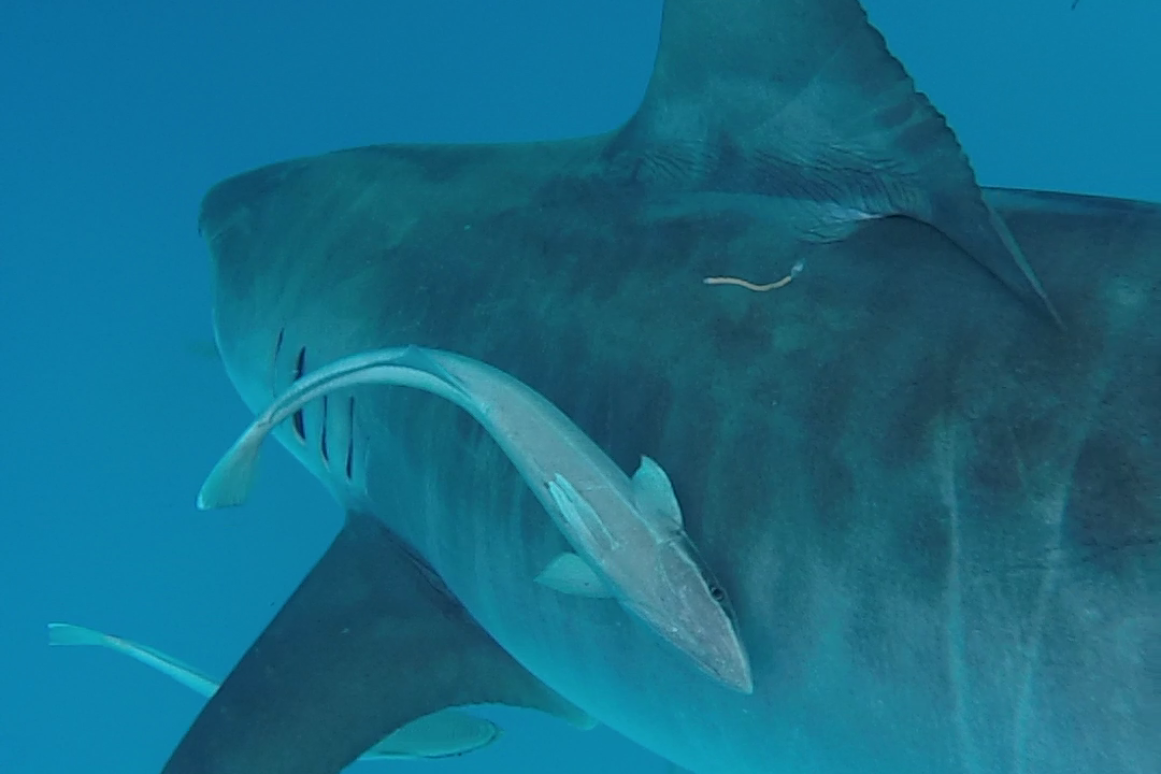
Shark Week may take over our screens every summer, but at the Harte Research Institute (HRI), our enthusiasm for sharks — and our commitment to their conservation — extends far beyond one week.
For the 11th time, HRI scientists were featured in Shark Week programming on Discovery and National Geographic, bringing the science, stories, and importance of these remarkable predators to millions of viewers across the country. While audiences tune in to celebrate sharks, we also bring that excitement home with our annual Shark Week watch party, where our community can come together to learn, connect, and celebrate these animals.
We put a lot of energy into celebrating sharks during one week of the year, but these incredible animals and the ecosystems they call home deserve our attention every day.
Sharks play an essential role in healthy ocean ecosystems, and protecting them means protecting the habitats, food webs, and waters they depend on. So, rather than letting our shark enthusiasm fade when Shark Week ends, why not carry it with us all year long?
You can find endless ideas online, but not all information is created equal. So, instead of relying solely on an internet search, I went straight to the experts. I asked teams across HRI one simple question: What are some easy, fun ways people can support, conserve, and care for sharks and their ecosystems all year long?
Here’s what they had to say.
Get to Know Your Local Sharks
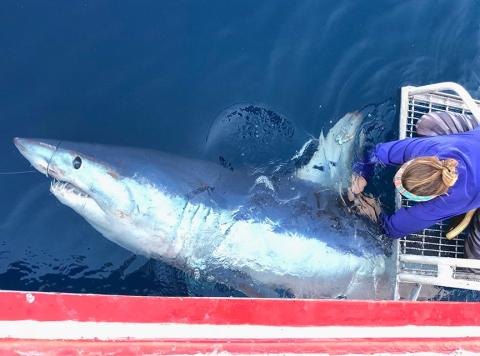
Start by learning what kinds of sharks live in the Gulf and beyond through Fin Finder. Fin Finder is a shark-tracking program created through a partnership between HRI’s Center for Sportfish Science and Conservation (CSSC) and the American Fishing Tackle Company (AFTCO). The initiative allows researchers to gather valuable information about shark movements and migration patterns while giving the public a chance to follow along.
Pick a favorite shark, give it a name if you’d like, and follow its journey throughout the year. You might be surprised by how far it travels!
Make Sustainable Seafood Choices
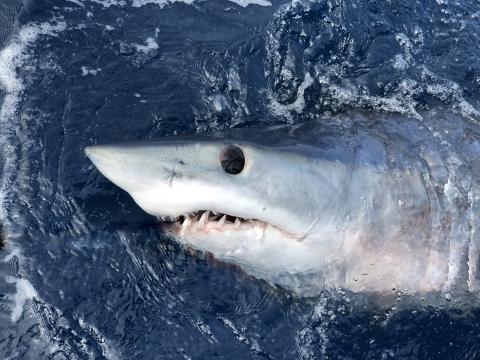
Another simple way to support healthy oceans is to think about what’s on your plate. When possible, choose sustainably caught or responsibly farmed seafood.
As NOAA Fisheries explains, well-managed wild fisheries and environmentally responsible marine aquaculture can play an important role in our food supply, health, and environment. Making informed seafood choices can help support sustainable fisheries and the communities and ecosystems that depend on them.
Learn more about sustainable seafood and find options for your region through NOAA Fisheries’ Sustainable Seafood resources.
Know the Rules Before You Fish
We all know that fresh fish tastes best, and with so many enthusiastic anglers across the Gulf, we would be remiss if we didn’t include fishing.
If you’re interested in catching sharks, one of the best things you can do is learn the rules and regulations before you head out on the water. Understanding size, season, gear, and handling requirements helps protect sharks while allowing anglers to enjoy these incredible animals responsibly.
Learn about shark laws and more here.

Protect the Habitats Sharks Depend On
Our Coral Reef and Ocean Health team reminded us that celebrating sharks means looking beyond the animals themselves and thinking about the habitats that support them.
Healthy coral reefs contribute to healthy ocean ecosystems, and healthy ecosystems support healthy shark populations. That means you don’t have to interact with a shark or even see one to make a difference.
Simple choices can help, including using reef-conscious sunscreen, reducing plastic use, properly disposing of trash, and being mindful of what goes down our drains. Small actions, multiplied across communities, can add up to a healthier ocean.

Give Oysters a Second Life
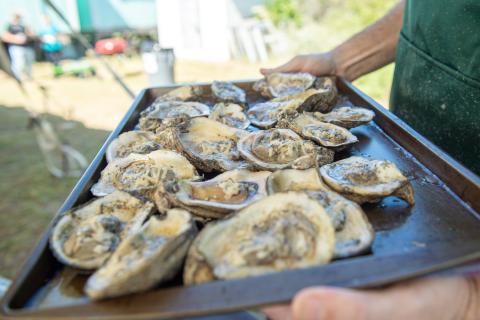
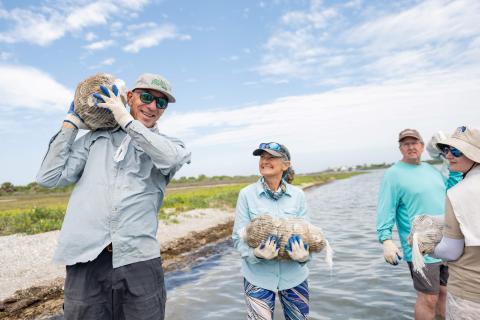
Oyster reefs are another important part of the Gulf’s ecosystem. They provide habitat, filter water, and support the food web that ultimately sustains many of the species sharks depend on. There are plenty of ways to support oyster restoration that are good for the Gulf and good for your appetite.
Participate in community Sink-Your-Shucks events, choose farmed oysters, and support restaurants that recycle their used oyster shells for restoration. It’s a fun, local, and delicious way to give something back to the Gulf.
Be a Champion for Clean Water
Finally, our water quality matters. Healthy Gulf ecosystems depend on healthy freshwater inflows, and the choices we make at home can play a role in keeping that water clean before it reaches our bays and the Gulf.
Consider planting a rain garden to capture runoff, having your septic system inspected and maintained, and looking for ways to reduce water use around your home. You can also learn about HRI’s Coastal Water Health lab’s Clean Coast Texas Collaborative (CCT) and Bringing Baffin Back initiatives, which are helping coastal communities manage water pollution, improve stormwater planning, and build green infrastructure.
These may seem like small steps, but they can help reduce pollution and protect the freshwater and coastal systems that connect our communities to the Gulf.

Make Every Week Shark Week
Shark Week gives us a great reason to celebrate these incredible predators, but it can also be a reminder that conservation doesn’t have to be a once-a-year event.
You can follow a shark, choose sustainable seafood, learn the fishing regulations, protect coral reefs and oyster habitat, reduce pollution, conserve water, and, perhaps most importantly, keep learning.

At HRI, we believe science is most powerful when it connects people to the places and animals they care about. So, when the television specials end and the Shark Week countdown begins again next year, don’t stop celebrating. Make every week Shark Week, and make every day an opportunity to care for the Gulf and beyond.